The page you're looking for is not available.
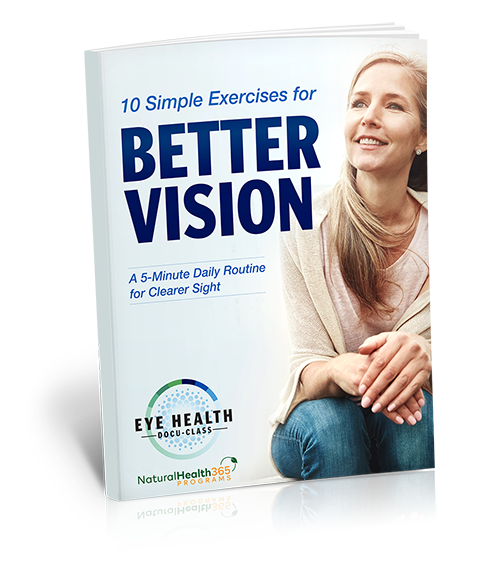
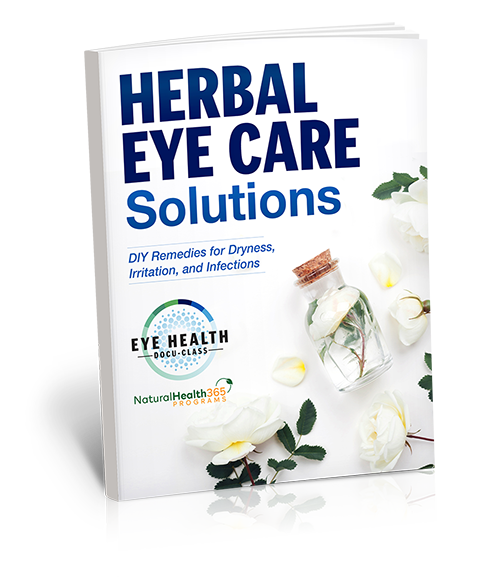
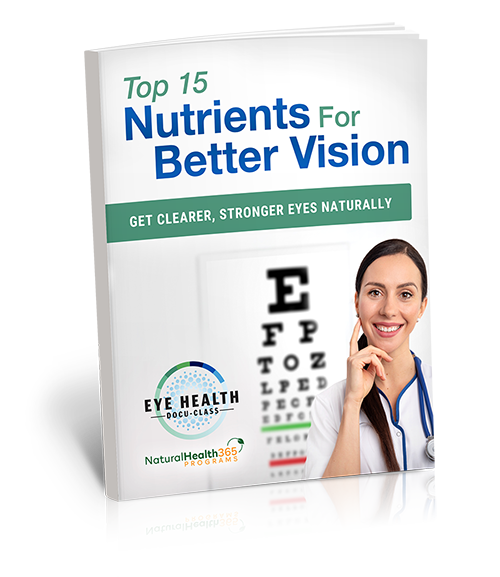
In the meantime, download a free gift.
© NaturalHealth365Programs.com
All Rights Reserved
Privacy Policy | Terms and Conditions
The information on this website has not been evaluated by the FDA and is not intended to treat, diagnose, cure or prevent any disease. This information is not intended as a substitute for the advice or medical care of a qualified health care professional and you should seek the advice of your health care professional before undertaking any dietary or lifestyle changes. The material provided on this website is for educational purposes only.
OptimizePress Popup Overlay
Where should we send your free gift?

By submitting this form, I consent to receive offers and related promotional communications from the Cardiovascular Docu-Class and the host Jonathan Landsman. I can withdraw consent at any time.

When you sign up to receive the eBook you'll also get FREE access to my 8 part Cardiovascular
Docu-Class with interviews from 22 of the world's foremost heart health experts!